← Back to work

Teknoir · 2023–2025

Designing an
MLOps Platform
for Everyone

Making complex AI model workflows accessible to technical and non-technical users alike.

Role
Foundational Product Designer
Type
End-to-end UX
Year
2023–2025
Status
Shipped

Teknoir builds infrastructure for deploying AI models at the edge. The platform covered everything from model training to real-time inference — but the UX had been designed by engineers for engineers. Non-technical stakeholders were completely locked out.

I was brought in to redesign the core MLOps workflow from the ground up: research, architecture, flows, prototyping, and a design system. The goal was a single platform that could serve both ML engineers and domain experts without dumbing anything down.

Collaborated with CEO · 4 Full Stack Engineers · 2 Product Designers
View Project in Figma ↗
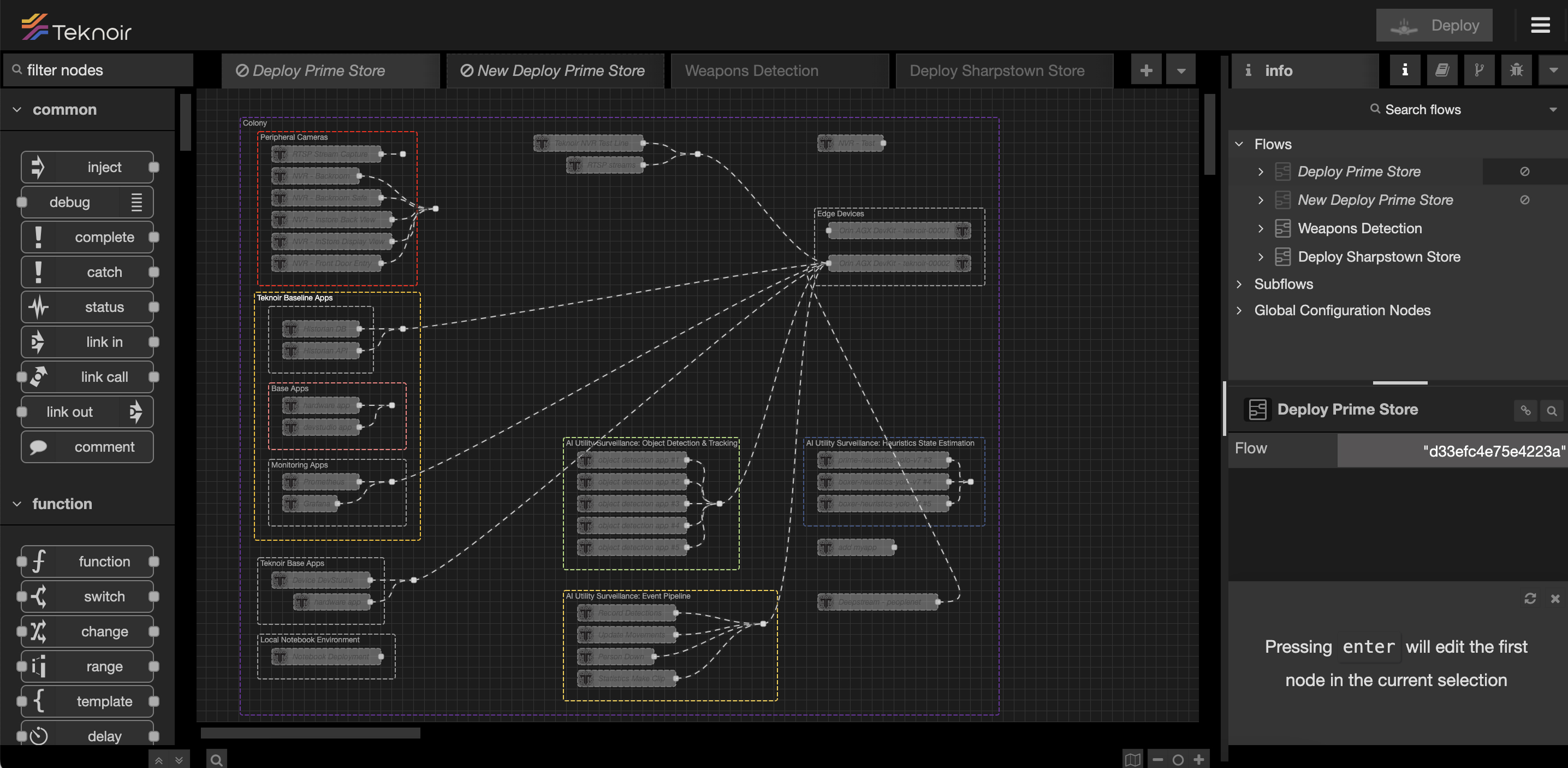
Teknoir original platform — node flow editor
The original platform: a Node-RED based editor built for engineers. Non-technical users had no path in.
S
Situation

A Powerful Platform Nobody Could Use

The MLOps space is dominated by developer tools. Every major platform assumes the person running the workflow is also the person who built the model. Teknoir's users didn't fit that profile.
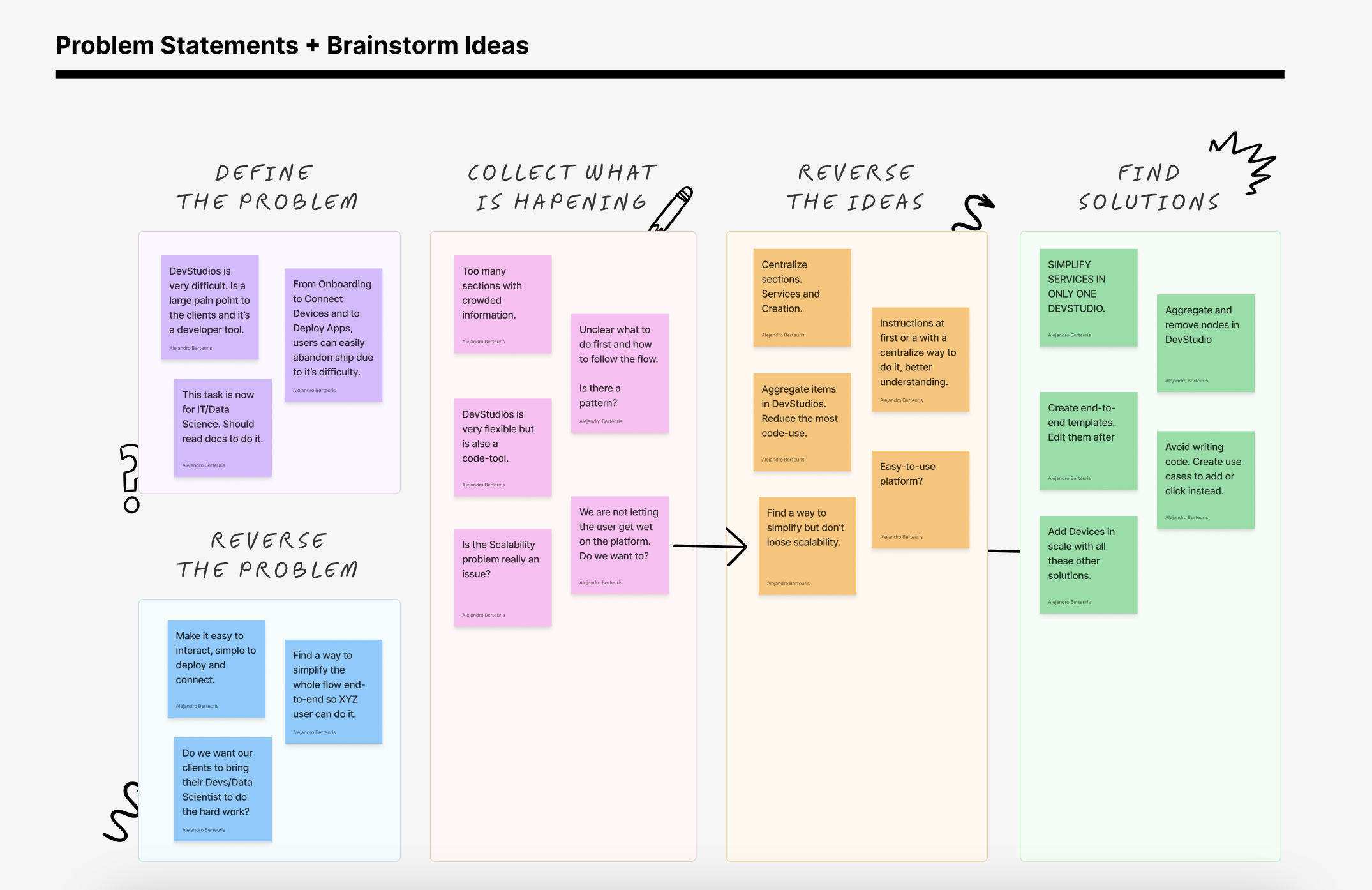
The Technical Gap
Domain experts — field technicians, operations managers, product owners — needed to configure and monitor AI models but had no engineering background to navigate the existing interface.
No Shared Mental Model
ML engineers and non-technical stakeholders used completely different vocabulary to describe the same workflows, making collaboration and handoffs error-prone and slow.
Problem identification research
User research synthesis: where the platform was losing both personas and why.
The core tension
"The platform couldn't afford to lose ML engineers by oversimplifying, but it was failing everyone else by doing nothing at all. The solution wasn't to dumb it down — it was to layer the complexity."
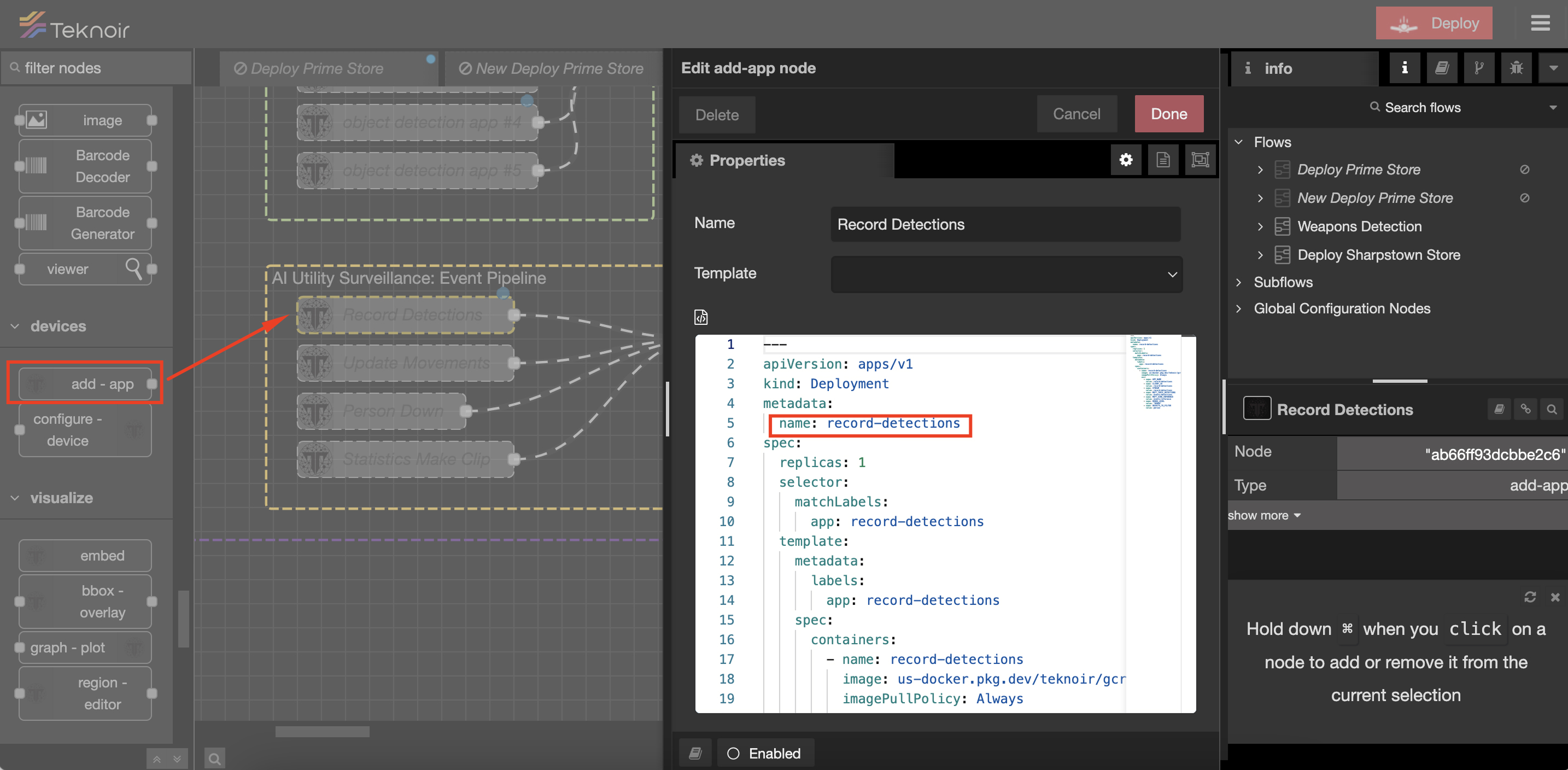
Original Teknoir platform — app node configuration
Configuring a node meant editing raw YAML. One wrong field and the deployment broke silently.
T
Task

Design the Platform from Research to Delivery

My scope was end-to-end: run the research, define the information architecture, design the flows, prototype and test, and deliver a design system the engineering team could build from.

What I was responsible for
  • Competitive analysis of the MLOps landscape
  • User personas and journey mapping
  • Information architecture and user flows
  • Iterative prototyping and usability testing
  • Design system and component library
  • Stakeholder alignment with CEO and engineering
The bar we set
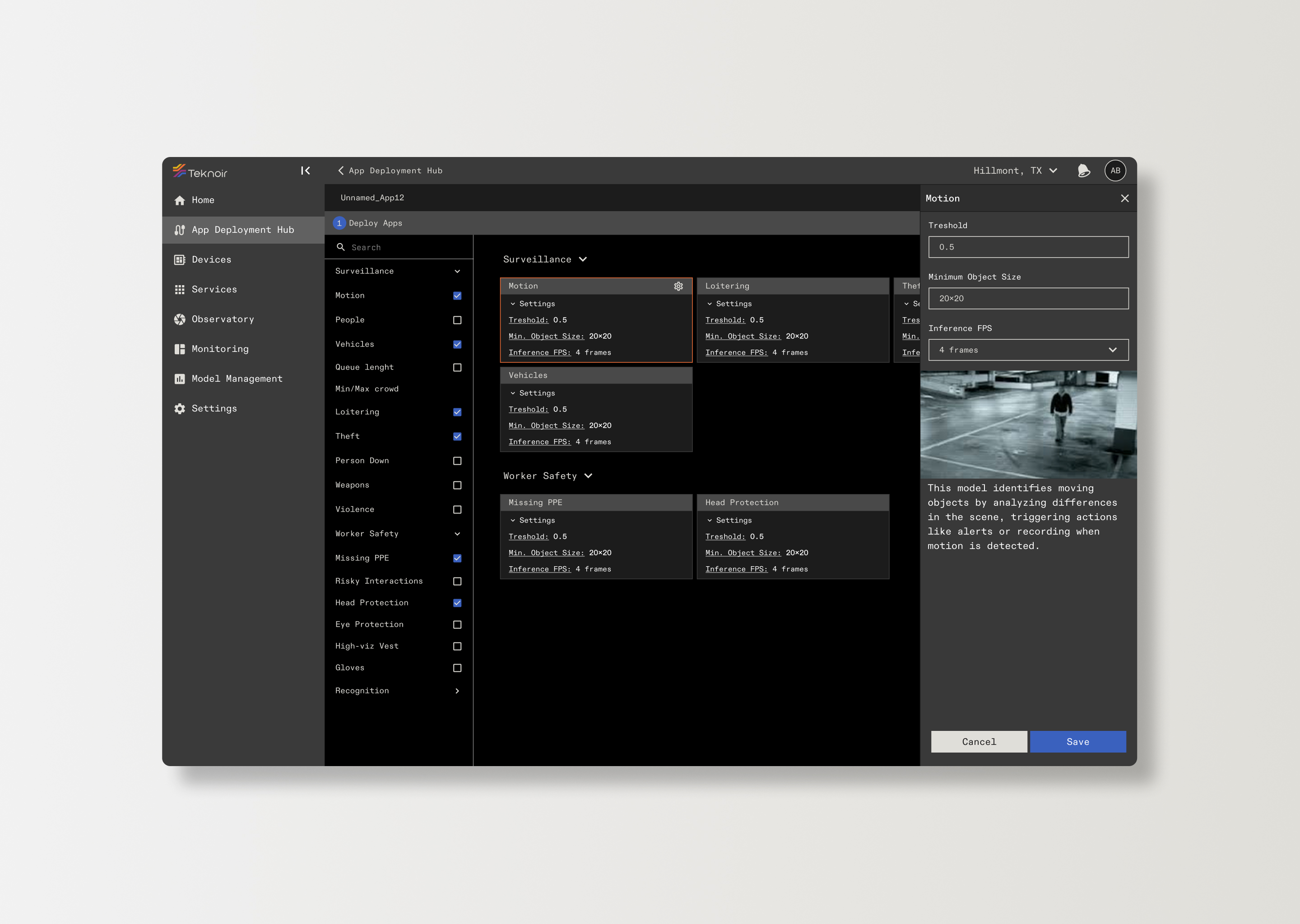
  • A domain expert can configure a model deployment without engineering help
  • An ML engineer doesn't lose access to any advanced controls
  • Onboarding takes minutes, not days
  • The design system ships as the single source of truth for the team
A
Action

How We Approached the Design

Research-first, then architecture, then interface. Every decision was grounded in what we learned from users and competitors before a single screen was designed.
01
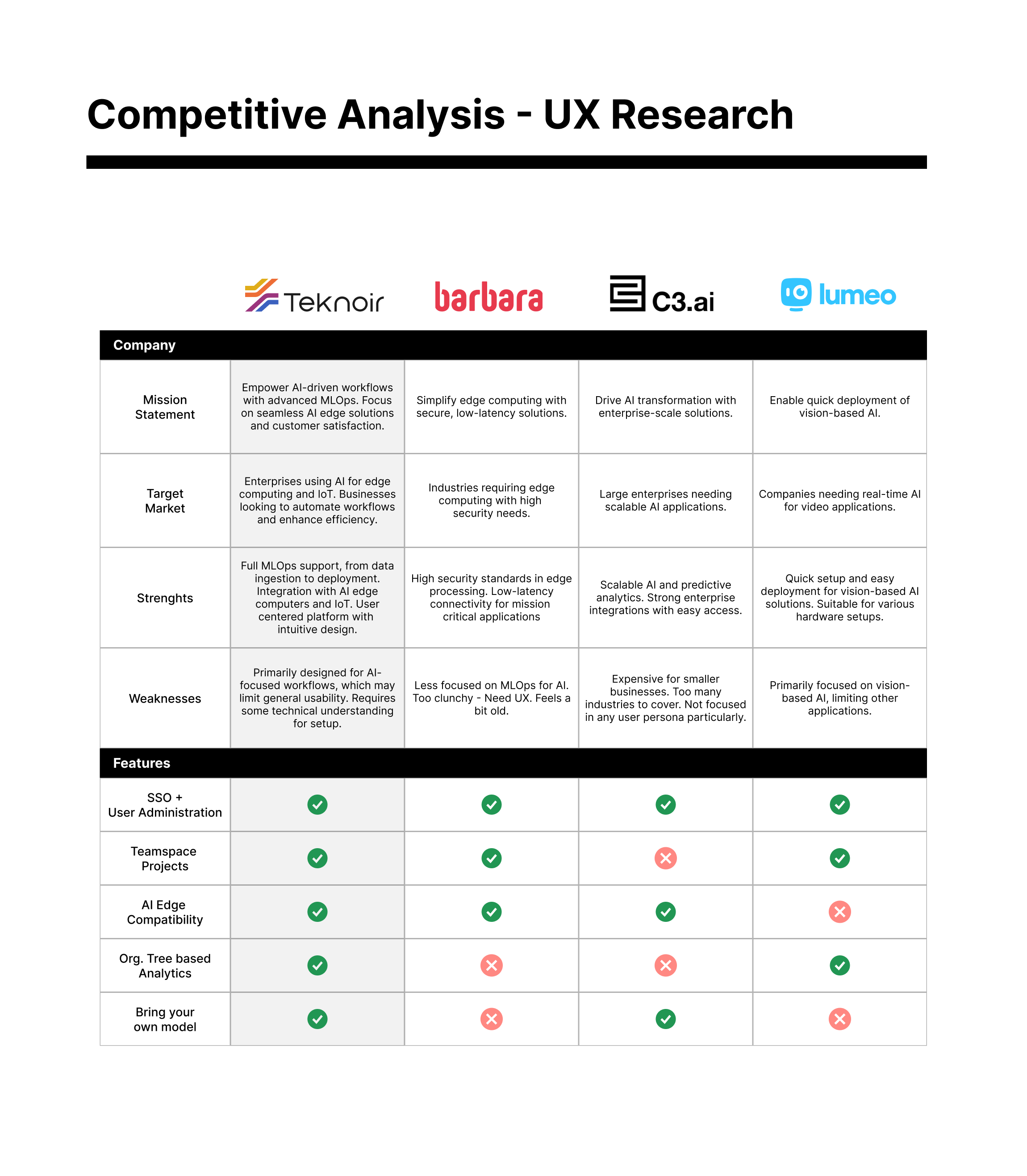
Competitive Analysis and Team Workshop
We audited the major MLOps platforms — SageMaker, Vertex AI, MLflow, Weights & Biases, and others — looking specifically at how each handled the technical/non-technical divide. Then ran a workshop with the team to surface the UX pros and cons of each and align on where Teknoir could differentiate.
Competitive analysis matrix
Competitive audit across 6 MLOps platforms: every major tool assumed an engineering-only audience.
02
Personas, Journeys, and Architecture
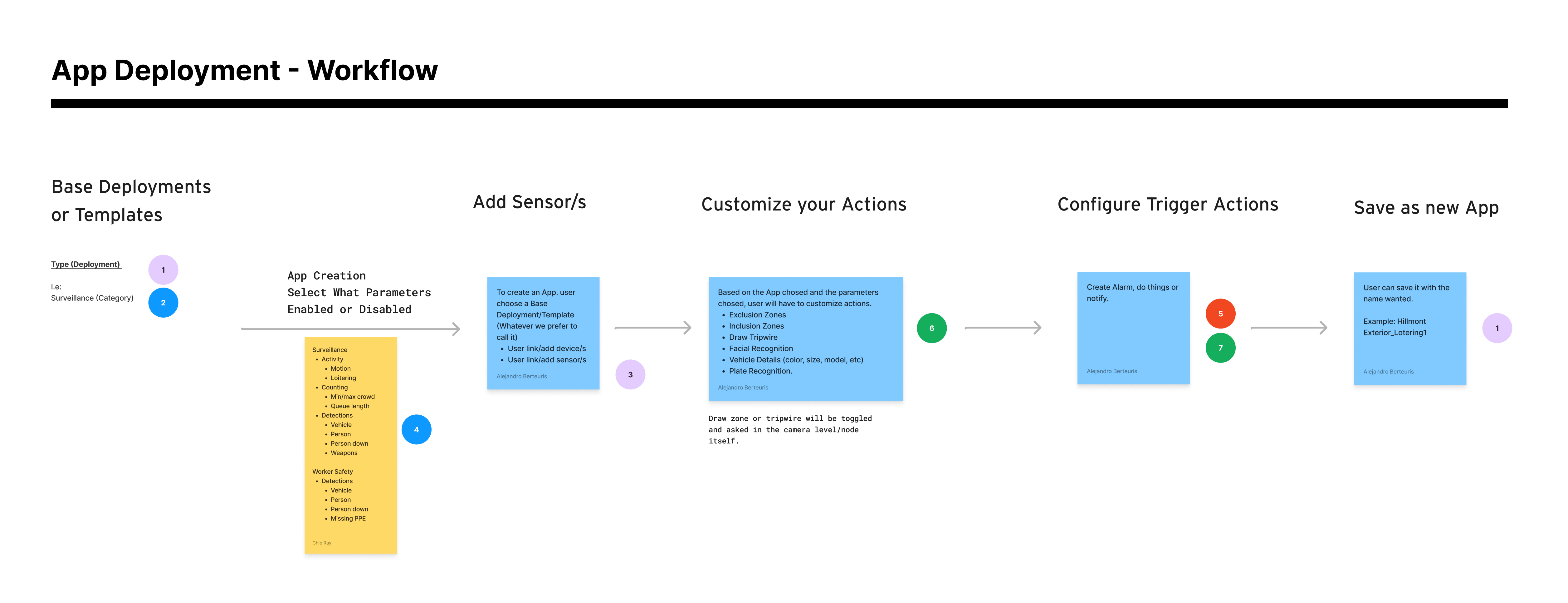
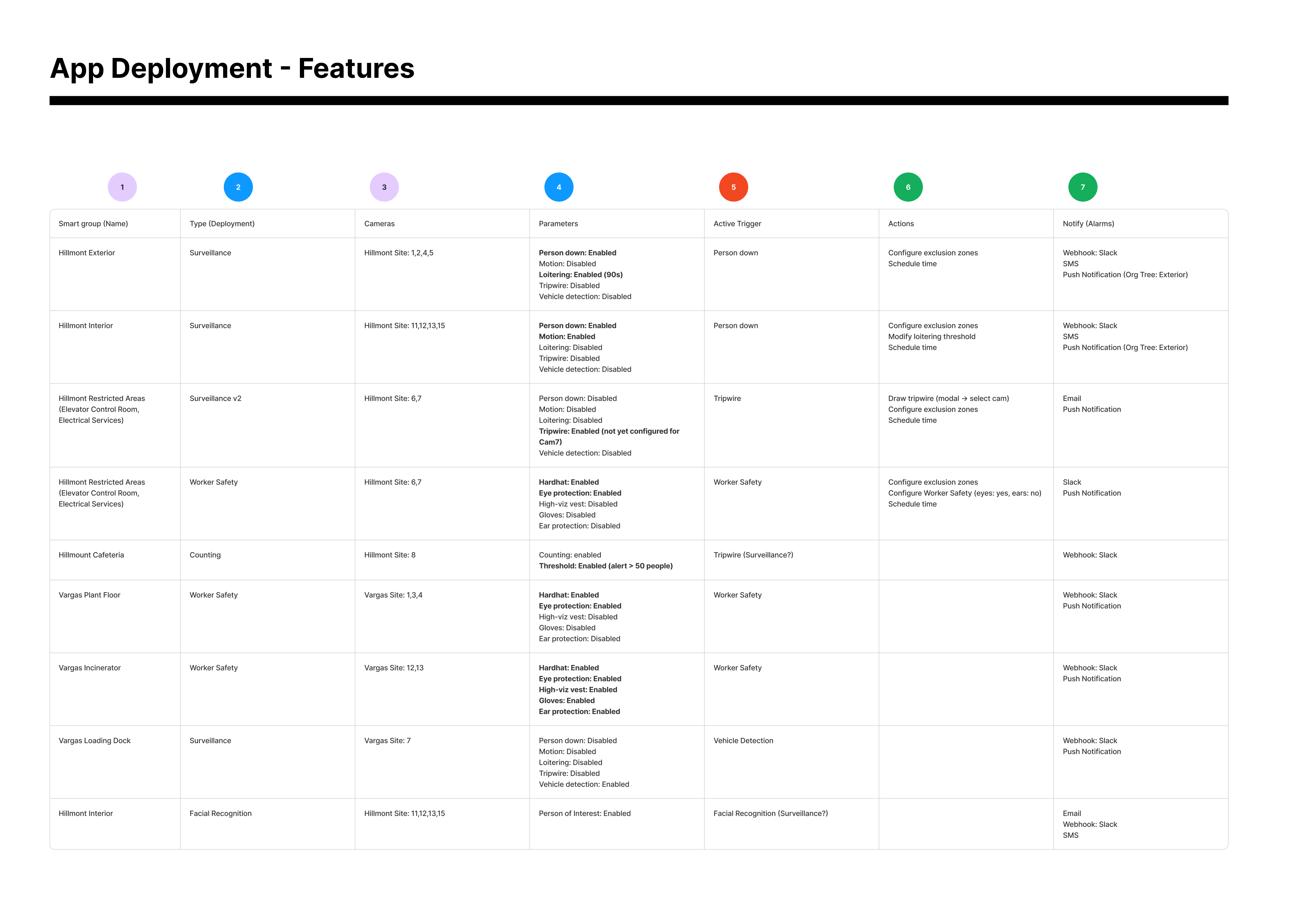
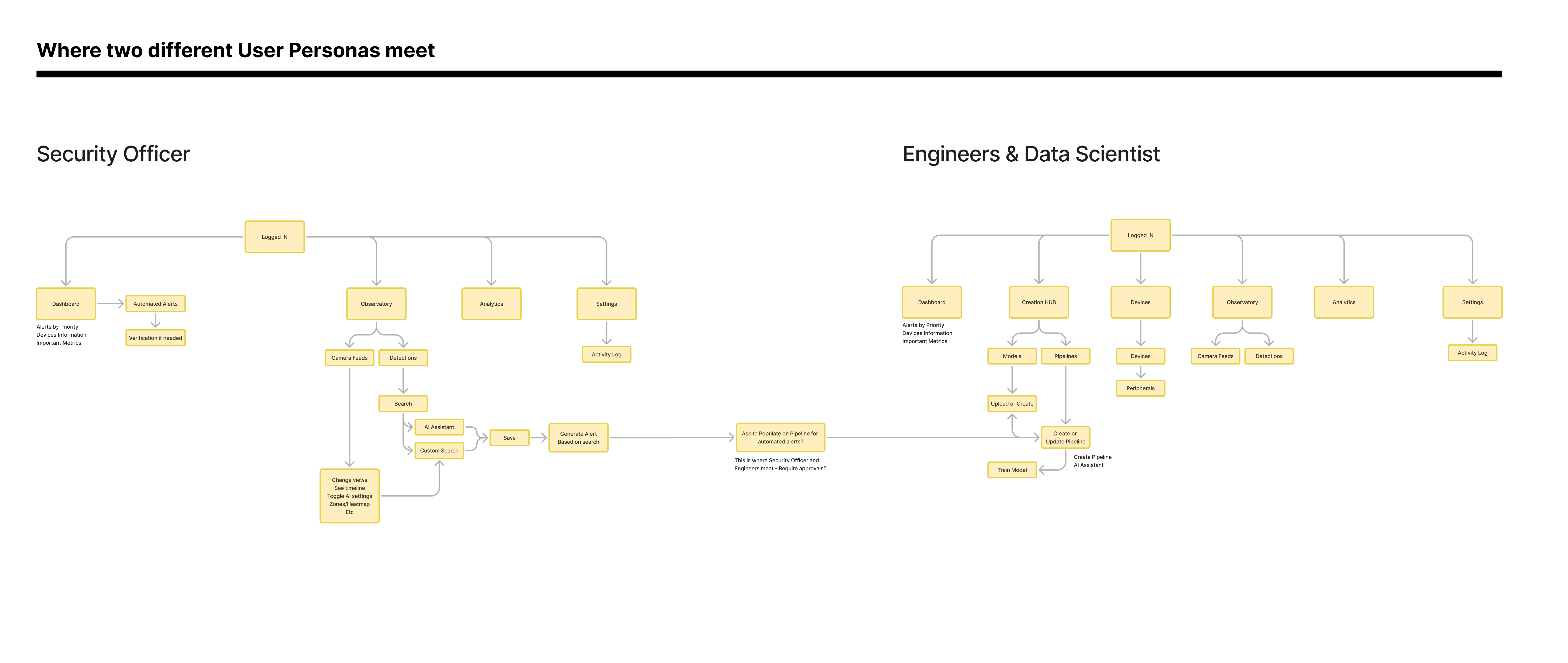
We built two primary personas: the ML Engineer who needed power and speed, and the Domain Expert who needed guidance and clarity. Their journeys through the same workflow were mapped separately, then overlaid to find where a single interface could serve both without compromise.
ML Engineer persona: speed, control, terminal-like confidence
Domain Expert persona: step-by-step guidance, plain language
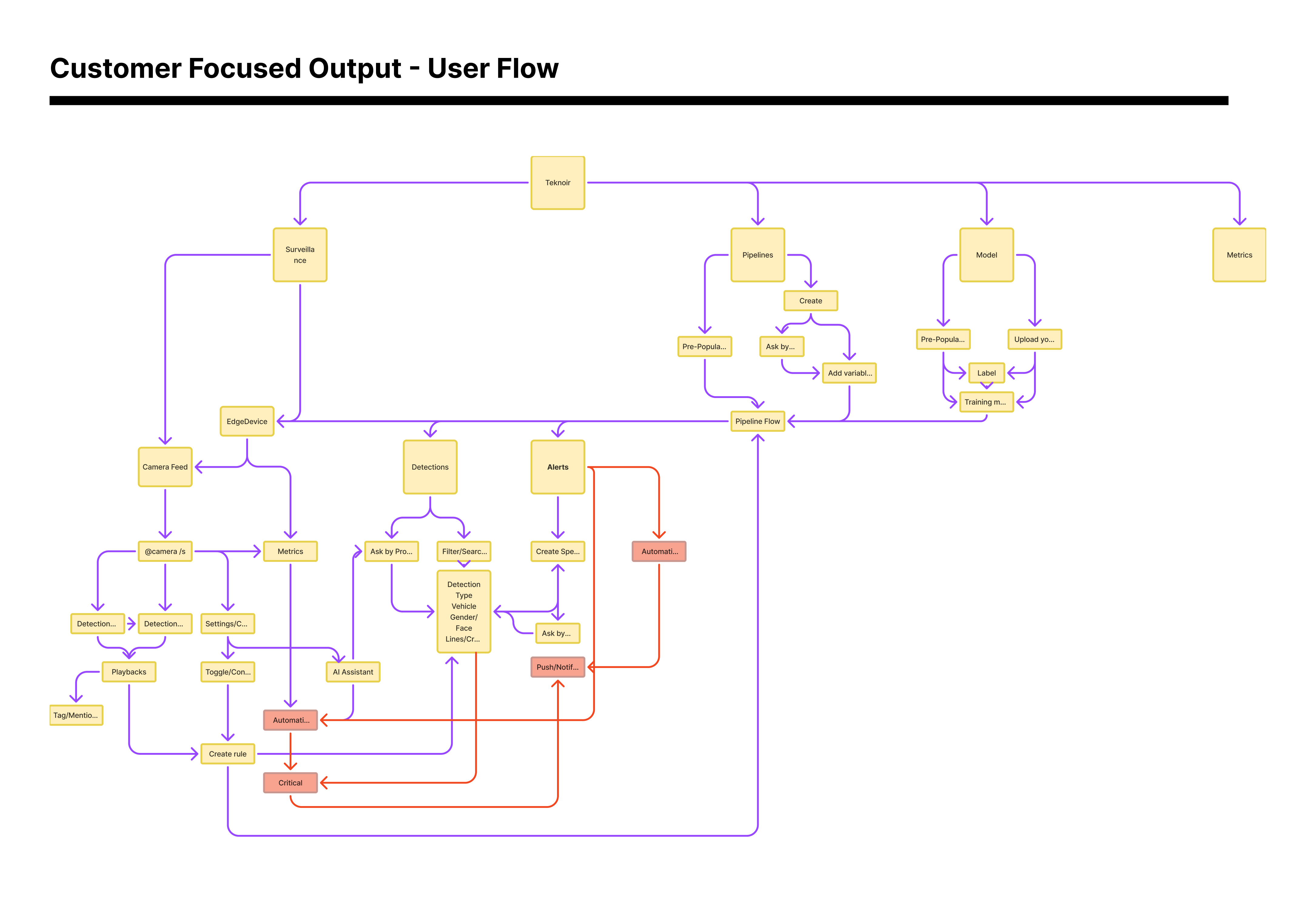
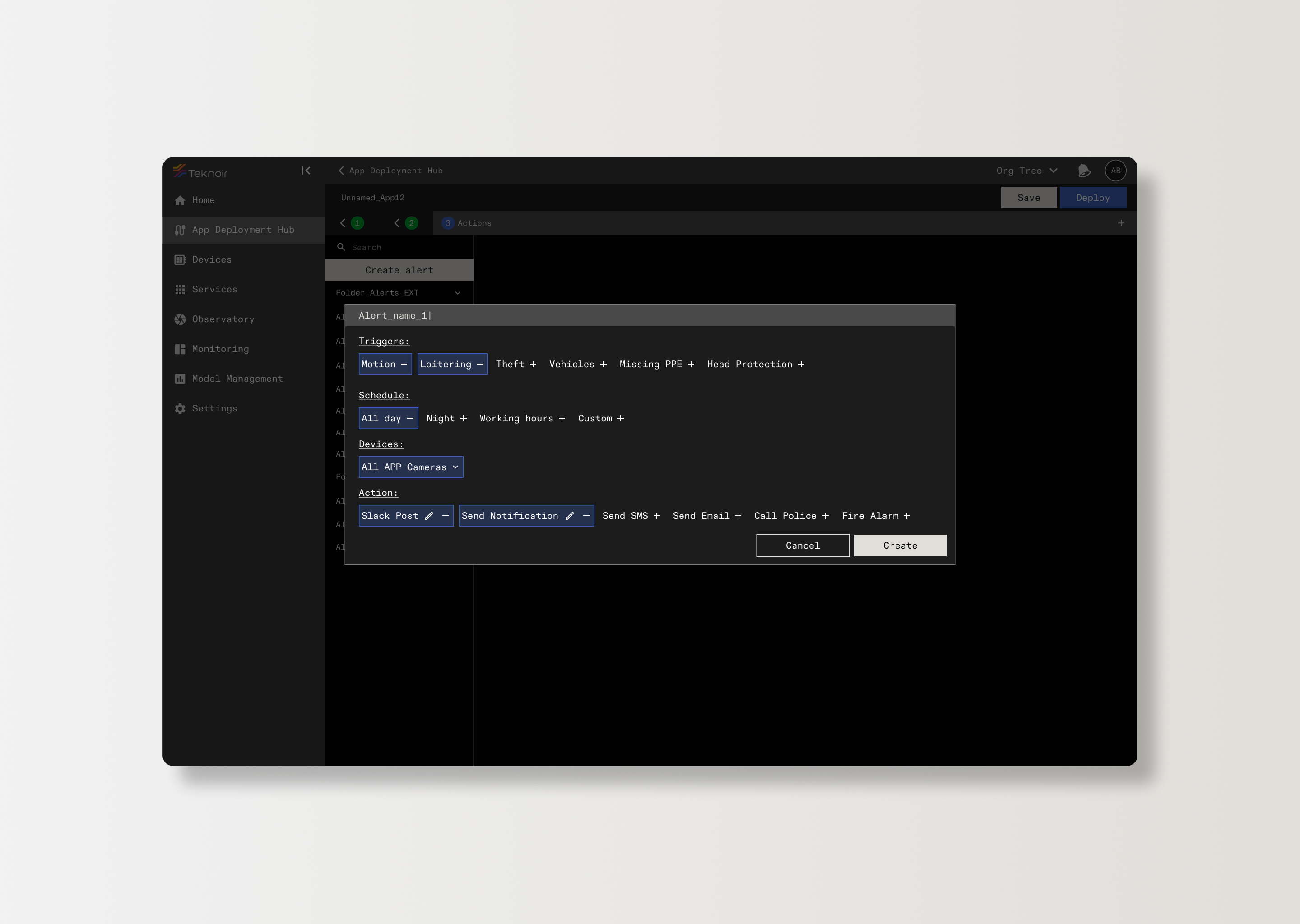
Shared flows: deployment, monitoring, alerts
Diverging flows: model config, pipeline setup, debugging
View User Flows in Figma ↗
03
Iterative Design and Usability Testing
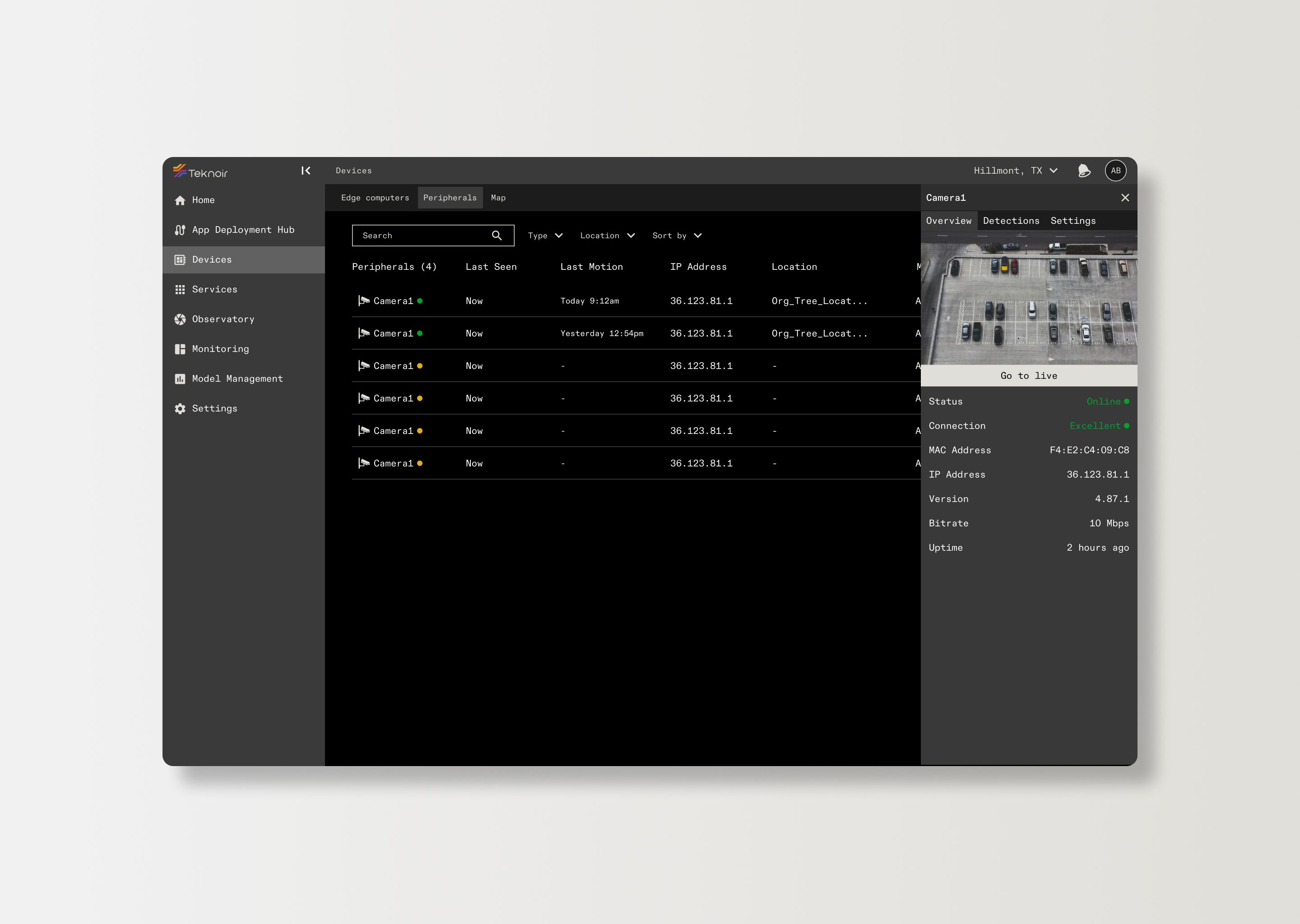
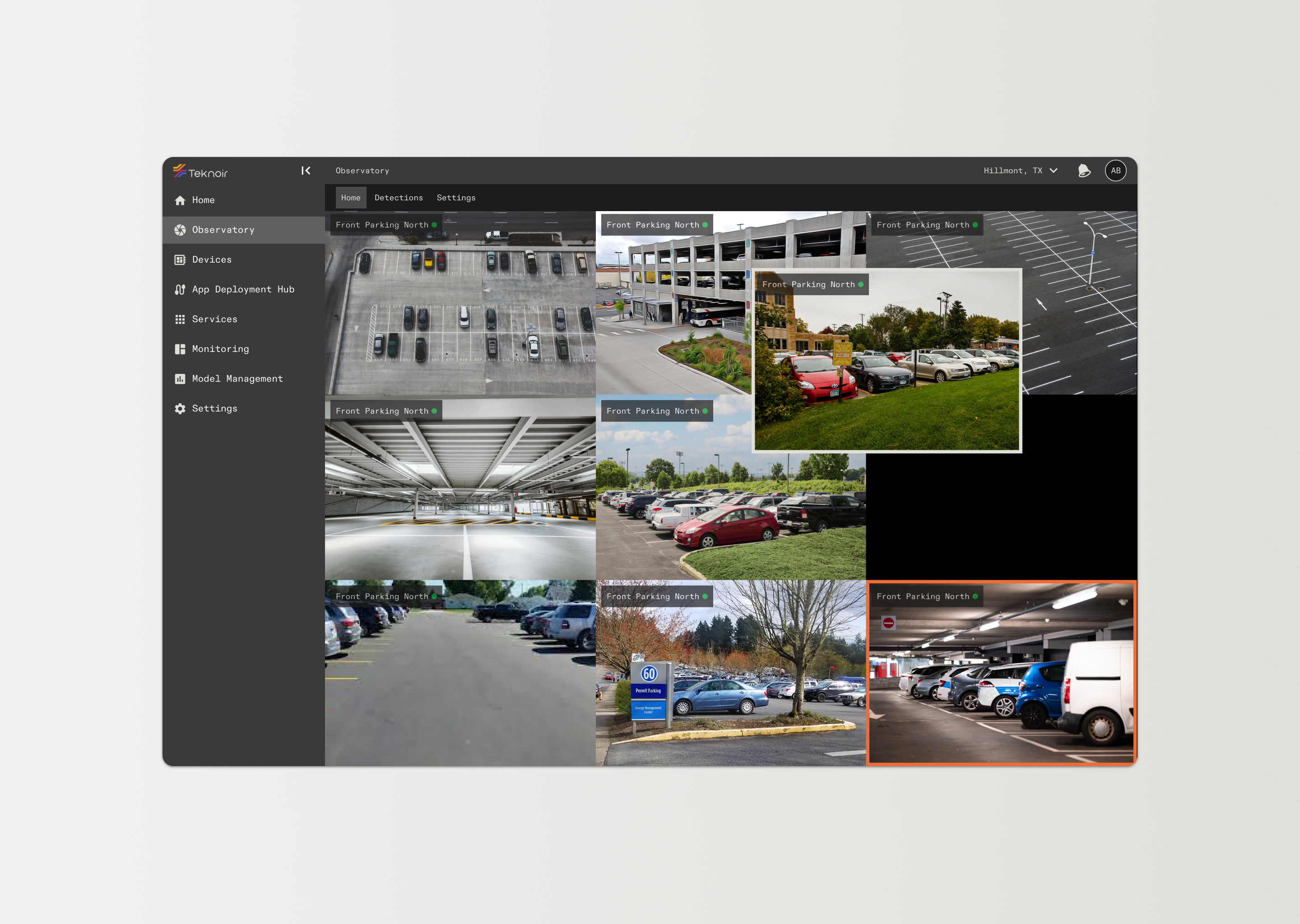
We went through three rounds of prototyping and testing with real users from both personas. Each round focused on a different part of the workflow: onboarding first, then the core deployment flow, then the monitoring dashboard. Findings were brought directly back to the CEO and engineering for prioritization before the next round.
04
Design System Delivery
The final deliverable was a complete design system: component library, token structure, usage guidelines, and pattern documentation. Built so the engineering team could implement independently without constant design support — and so future product work could move at pace.
Color tokens: semantic layer per context
Typography scale: data-dense and readable
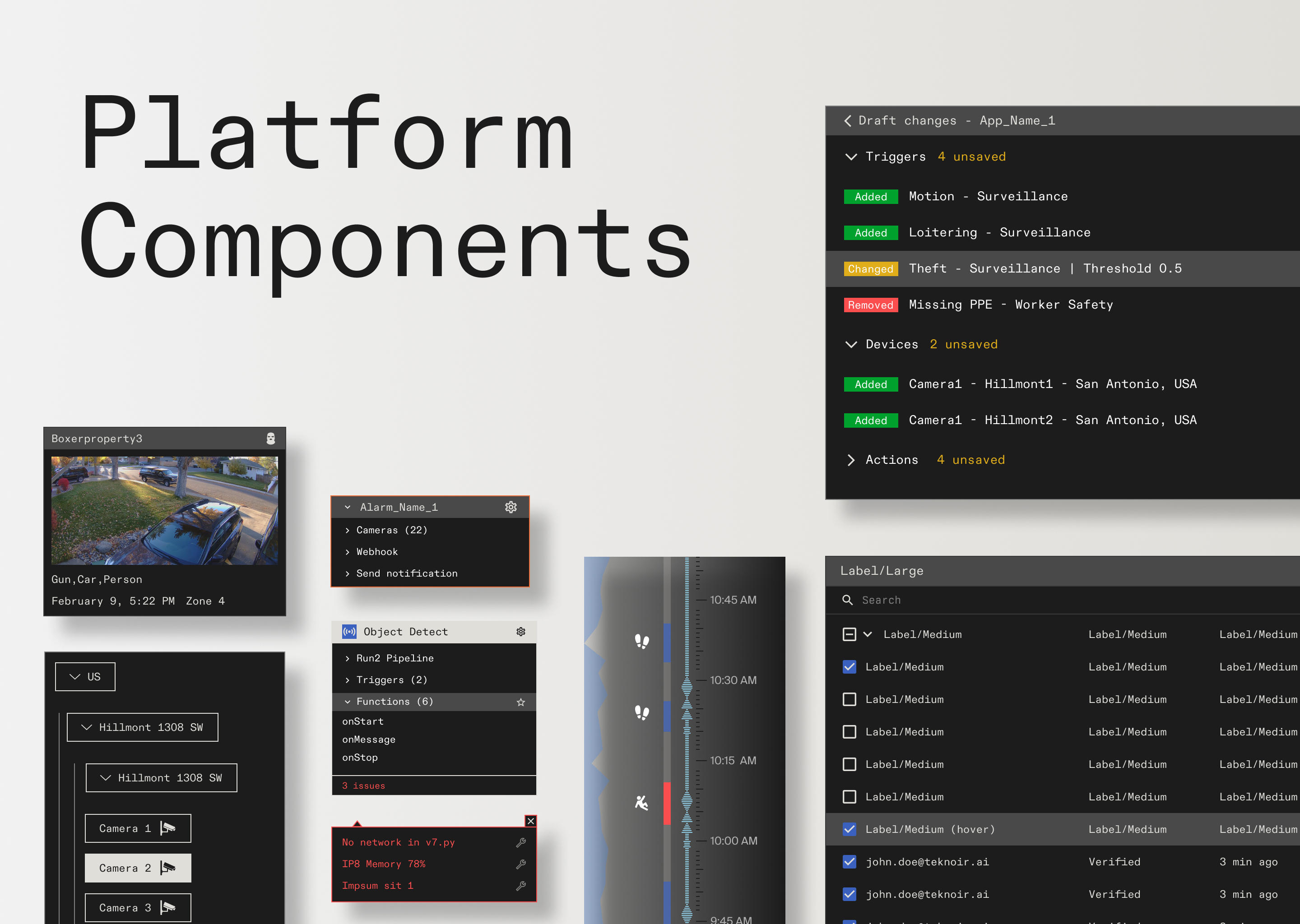
Component library: forms, tables, dashboards
Dark-first: designed for long engineering sessions
Platform components overview
Platform Components: the full component library shipped to engineering as the single source of truth.

An Accessible Platform, Built to Scale

Users found the platform accessible and intuitive regardless of technical background. Domain experts could navigate MLOps workflows independently for the first time, and ML engineers kept every advanced control they relied on.

0
B2B clients served
0
Testing rounds
0
Competitors audited
0
Users onboarded
Non-technical users unblocked
Domain experts could configure and monitor deployments independently, without engineering support on every step.
No power lost for engineers
ML engineers kept full access to advanced controls. Simplification was additive, not reductive.
Faster onboarding
Structured onboarding flows and contextual guidance reduced the time to first successful deployment significantly.
One source of truth
The design system gave engineering a single reference point, eliminating back-and-forth on component decisions during build.
"Working with Ale has been transformative for Teknoir. Their exceptional UX/UI skills greatly enhanced the platform, making complex MLOps workflows accessible to broader audiences. Every challenge was approached with creativity and insight, delivering an intuitive and engaging user experience."
JK
Jonathan Klein
CEO, Teknoir